
Black business leaders share COVID-19 challenges, successes
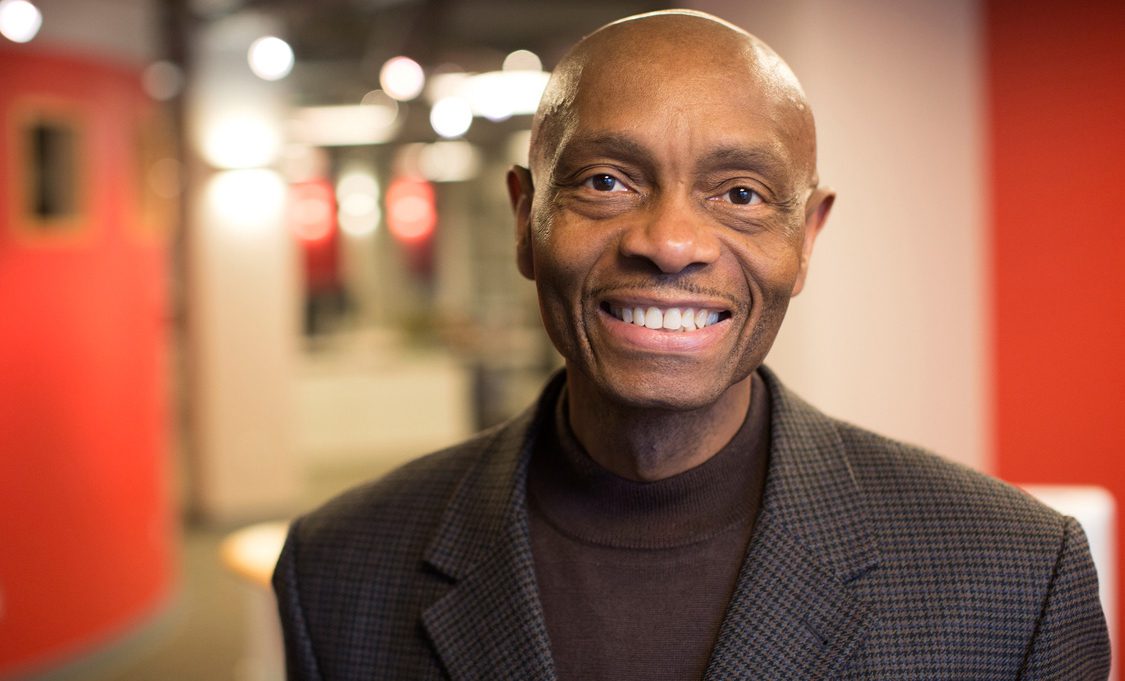
Throughout the pandemic, Tompkins Weekly has chronicled the experiences of small business owners in the county, from the sudden shutdowns in March and April to adapting to constant changes in recent months. In recognition of Black History Month, we’re focusing this dive on Black business leaders specifically, and while sources shared a broad range of experiences, their stories show just how much the entire business sector has had to change due to COVID-19.
Challenges
For Black business leaders, challenges varied widely depending on the services or products sources provide or the work that they do. Still, sources agreed there are several common struggles, many of which are shared by business owners across the county.
Gladys Brangman is the founder of Business Leaders of Colors, a local organization that provides a network of business owners, entrepreneurs, consultants and social justice leaders focused on helping business leaders of colors succeed. Due to the nature of her work,
Brangman has heard experiences from a variety of Black business leaders, and as she explained, the biggest challenge across the board has been finances.
“Many of the consultations that I’m dealing with, initially, it was ‘OK, how do you pivot and turn your business into something that you can do online?’ And with some of those businesses, even that is not going to be enough, so they have to reimagine, ‘What else can I do?’” she said. “Right now, the business owners that I am dealing with are really just worried about making sure that they are able to cover their bills and keep a roof over their head and take care of their families.”
Avis Frasier, owner of UrbaN BlendZ, a soul food pop-up in Center Ithaca, shared a similar experience both with herself and others.
“There have been plenty of challenges — no income, feeding the kids, paying the rent and bills and things like that,” she said. “Some of my friends and a couple of business owners that I know, they all face some of those same challenges. So, it was always about some other type of hustle, trying to make some money to get things paid.”
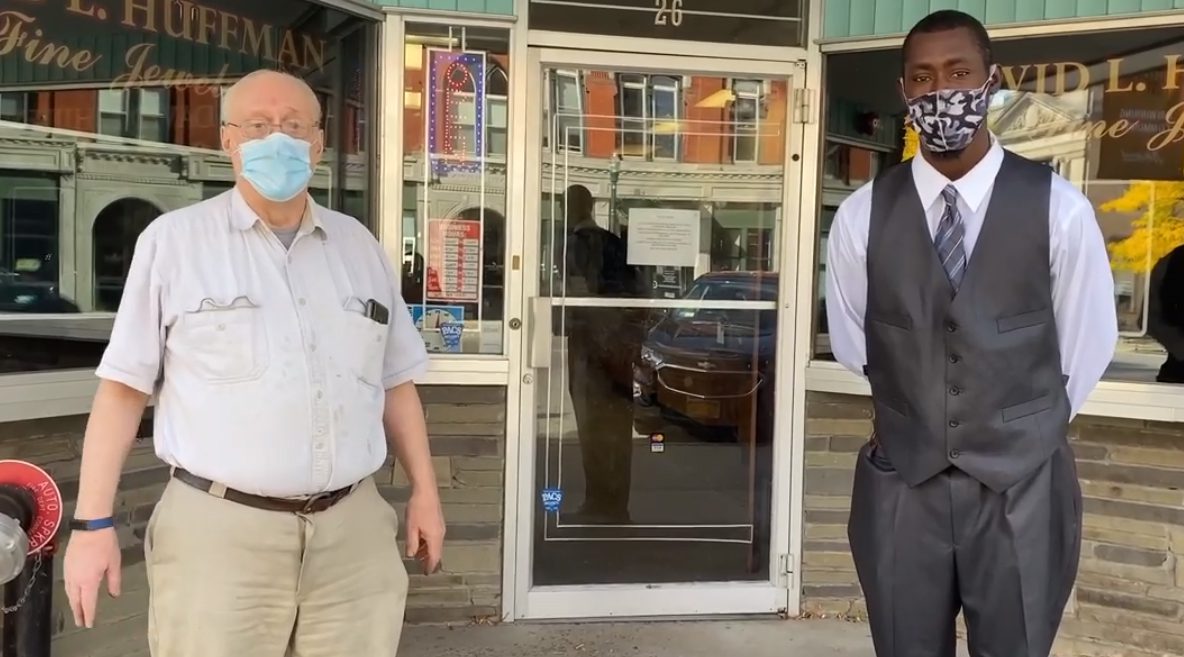
Ryan Elliott, owner of Elliott’s Pressure Washing in Ithaca, shared another common challenge — a loss of in-person interaction.
“It’s hard to reach out, communicate and network and do business with people because of the pandemic,” Elliott said. “Everybody is reluctant on being close to anyone, and face-to-face communication has gone down because of the pandemic. Nobody wants to be around each other, rightly understood, but I definitely have been affected by the pandemic.”
Jordan Clemons, founder of Unbroken Promise Initiative, a grassroots neighborhood revitalization and racial justice nonprofit dedicated to uplifting Ithaca’s West End community, said he faced a similar hurdle with his work.
“Thankfully, we have a social media marketing team with Unbroken Promise Initiative who deals with all the social media stuff and took on that in the summertime, so we garnered a lot of our following in the summertime,” he said. “The challenge is pretty much getting connected with people that we weren’t able to connect with during the summer.”
Harry Smith is the owner of the recording business Omega Studios and founder of the nonprofit Black Hands Universal, a community organization that empowers Black and Brown people to bypass systemic racism and other barriers. He said that while the pandemic halted his business until just recently, ever since founding Black Hands Universal last summer, managing the nonprofit has been a challenge, which affects those Black Hands Universal serves.
“It’s all the bureaucracy — the bureaucracy, the meeting about the meeting to have the meeting to figure out another meeting,” he said. “It’s a whole lot of talking, a whole lot of waiting. And it’s cool when you’re in a situation that’s comfortable while waiting. But for people who are actually in these situations and living in these times that are hard for them, to tell them to keep waiting and keep waiting is difficult.”
Successes
As Brangman mentioned previously, many Black business leaders had to pivot early on to make ends meet over the past year. Several sources interviewed for this story have seen considerable success thanks to these efforts.
Jed Ashton, owner of Northstar House in Ithaca, faced some challenges toward the start of the pandemic when COVID-19 safety protocols meant he couldn’t serve customers inside his small space and he had to switch to takeout only. However, while business is still down relative to pre-pandemic levels, the takeout model has worked well for Ashton.
“If we were a large open space that could social distance tables, that would be great, but we’re not, so we’ve been doing just takeout, which has been surprisingly good,” he said. “We’re not as busy as we were, definitely not, but we were concerned about how people will respond to that, and it’s been pretty good.”
Frasier shared a similar story with her business. UrbaN BlendZ started as a catering business, and business was booming prior to the pandemic hitting. However, the pandemic shut down many of the events Frasier would normally cater for, so Frasier had to adapt.
Thankfully, a pop-up program through the Downtown Ithaca Alliance allowed her to move UrbaN BlendZ into Center Ithaca earlier this year, which turned out to be a very beneficial move.
“I’ve just been blessed ever since I came back, and I feel really good,” she said. “We started off slow. … But now, things are picking up. People are starting to notice [through] word of mouth. People are coming in, and hopefully, this will bring more people into downtown.”
For some, the pandemic actually increased demand for the services they provide, as was the case for Brangman and fellow county business leader Cal Walker.
Walker, an independent associate of LegalShield, a company serving people across the nation with its legal services and Identity Theft Protection Program, said that the uncertainty created by the pandemic meant that more people — especially within the county — were looking for the help LegalShield provides.
“Levels of enrollments increase exponentially, the biggest I’ve seen, between 30% and 40% nationwide,” Walker said. “Once people found themselves in these uncertain circumstances, they needed guidance, they needed advice. And who better to consult with, especially when just about everything nowadays has a legal underpinning to it?”
Identity theft protection has also seen an increase in demand, as more personal information is being put online with the switch to more virtual commerce. The switch to remote services bodes well for LegalShield, which was able to use Zoom to reach more clients.
Looking ahead
Moving forward, sources almost universally agreed that the challenges many are currently facing aren’t going away anytime soon, but no one is prepared to give up, as Clemons can attest.
“BIPOC people are disproportionately affected by COVID the most,” he said. “We have to be really diligent and be aware of that yes, COVID is here, and everybody’s being affected by it, but we as a community and people are being disproportionately affected by it. So, we have to make sure that we are rigorous, and we have access to the new vaccines that’s coming in.”
Because many of the challenges Black business leaders are facing combines with the systemic challenges they face in a nonpandemic year, several sources said more is needed to support Black business owners, as well as business owners in general.
“Outreach, but also specific funding for businesses of color, I think, would be very helpful, whether it’s grants or opportunities for loans,” Ashton said. “There are a couple of businesses that are trying to get open now, and it’s hard. They’re doing GoFundMe and stuff like that, which is one way to do it. But at the same time, businesses that have capital, that have connections to the county, are able to access grants, are able to access state money that isn’t really available to everyone.”
Brangman and others are actually working toward this effort. Brangman, Alternatives Federal Credit Union and the city of Ithaca are currently working on ways to support Black-owned businesses and small businesses in general. While nothing is finalized yet, Brangman is hopeful for what’s to come.
Brangman best summarized the attitude that many Black business owners have right now and what awaits them this year.
“I don’t expect that the challenges are going to change in the coming months,” she said. “The only thing that we can do as business owners is just keep moving forward and not giving up. And that’s really one of the things I do have to say that I find absolutely amazing about the business owners in my network is these are people are driven and they believe in the work that they do and they’re just continuing to do it.”
Related Articles
Cayuga Medical Center nurses to rally, alleging anti-union tactics by hospital management
CMC nurses plan a rally, alleging unsafe staffing and illegal anti-union tactics as the hospital highlights recent patient-safety gains.

AmeriCU proudly connects students with annual scholarship opportunity
AmeriCU scholarship program awards $1,000 to students pursuing college or vocational education. Applications are open through March 15.
Street Beat: What’s one of the best holiday gifts you ever received?
We asked five random people. Here’s what they had to say.