
Real estate’s seller’s market continues to drive up demand
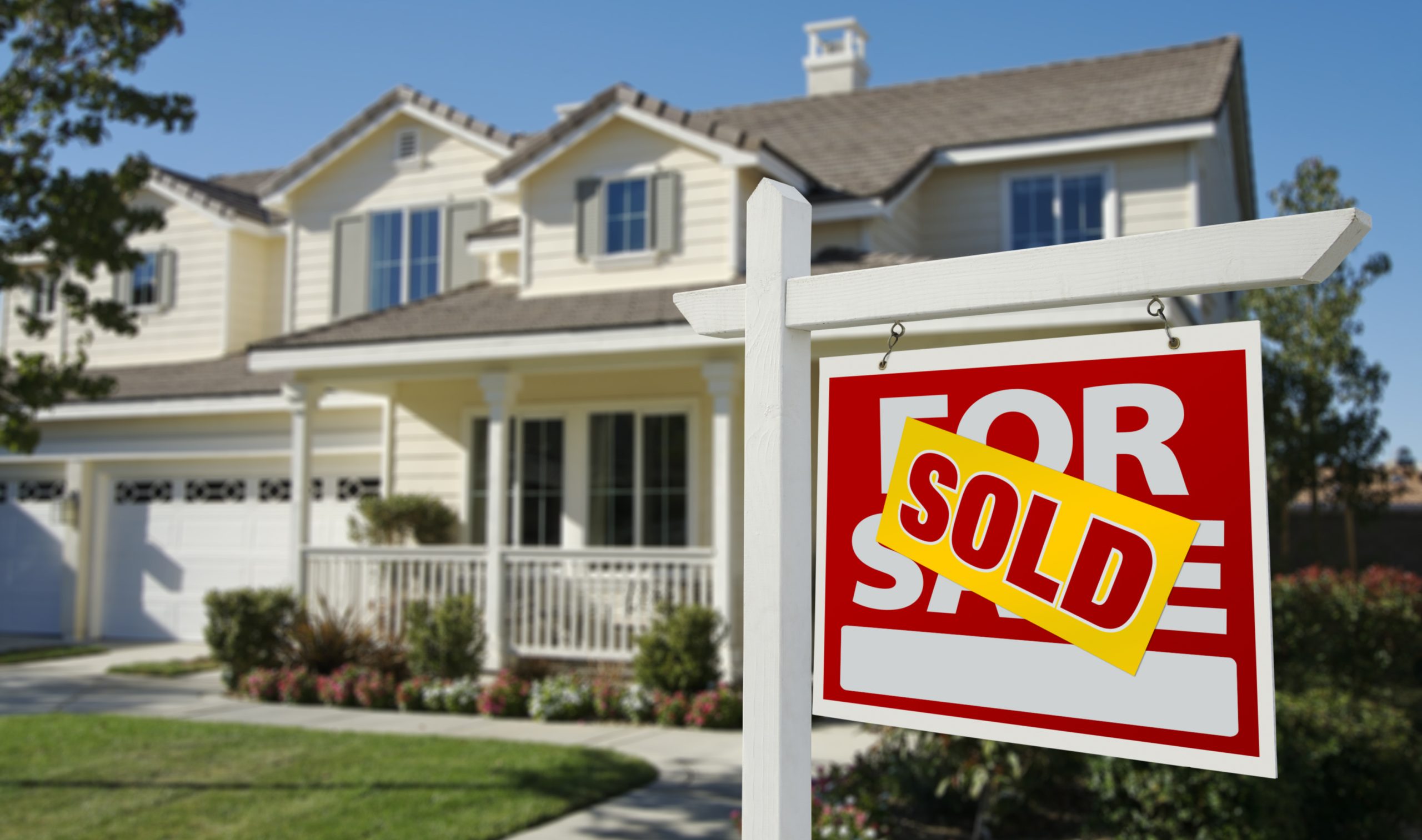
If you’ve been paying attention to the local real estate market, you might have heard that it has been and still is a very strong seller’s market in Tompkins County. But that description only tells part of the story. As real estate agents and brokers describe, the pandemic has had wide-ranging effects on the real estate market, keeping prices high and making it difficult for buyers to keep up.
Last year, Tompkins Weekly covered the many challenges facing the real estate market at the time (t.ly/V8KC), and it’s an understatement to say a lot has changed since then. Loosening restrictions have meant that agents and brokers are finally able to show properties in person and on site again, helping to bring back a sense of normalcy.
A much bigger shift, though, has been in terms of supply and demand for homes. According to data from the Ithaca Board of Realtors (ithacarealtors.com/statistics), the supply of homes on the market was on a steady decline throughout the middle and latter half of 2020 and has remained at a low level for all of this year so far, with August 2021 numbers being just under 50% lower than August 2020.
As economists would tell you, with low supply comes high demand and higher prices, and that’s exactly what’s happened. The average sales price for local homes was about $340,000 in July of 2021, the highest average in decades and up over 25% from July 2020’s $270,000. August 2021 saw a slight decline at $320,000 average sales price, but that’s still nearly 10% higher than last August.
The reasons behind these trends are more complex than basic economics. For one, the pandemic very much shifted the way people approach their work.
“People realized they could move wherever they want,” said Ann DiPetta, Homebuyer Education consultant with Ithaca Neighborhood Housing Services (ithacanhs.org). “They did not need to stay, maybe, in the city; they could move outside the city or move to a different state altogether. And they also needed space for an office.”
And as people move out of the big cities, many look to move into smaller localities like those in Tompkins County (see t.ly/ubbK).
“There are buyers coming from out of town in droves, and they’re picking Ithaca because it’s on all kinds of lists as the best place to live,” said Diana Drucker, a certified buyer’s broker with Greenstreet Real Estate in Ithaca (realithaca.com). “People who figured out after a year of working at home that they could work at home, that they really could telecommute and could live anywhere, are leaving San Francisco, Boston, New York City, where a one-bedroom condo is a million [dollars], and coming to Ithaca, where you can get a whole house for much less than that.”
On top of that, mortgage rates remain at record lows, currently hovering around 3%, giving people more buying power.
This is great news for a lot of home sellers, as sources described. Most homes now are selling at or above listing prices, and many buyers are paying with cash. But the market is so intensely skewed toward sellers that it’s making it very difficult for buyers to get the homes they want or even a home at all, further adding to the supply shortages.

“People … can’t bump into a second home, so they can’t sell their home that they have now and move into their, what we call, a move-up home or their second home because there are no second homes,” said Lindsay Hart, a licensed real estate broker with the Hart & Homes Real Estate Team at RE/MAX In Motion in Ithaca (hartandhomes.com). “They can’t sell because they don’t have a place to go. And so, it’s sort of cyclical, where people [are] like, ‘Yeah, I’d sell now. It’s a seller’s market. I’d sell now, but I don’t have any place to go.’”
The demand is so strong that many agents and brokers are selling houses sight unseen, meaning the buyer hasn’t stepped foot on the property before deciding to purchase the house.
All these factors mean that it’s very challenging for buyers right now, especially first-time or low-income buyers.
“This is a really hard time to be somebody with a small down payment,” said Carol Bushberg, owner of Carol Bushberg Real Estate in Ithaca (carolbushberg.com). “When we as realtors work with sellers and talk to them about which offer might be the offer that would provide them with the fewest complications and be the most likely to close, if we have someone who has to get bank approval by two or three lenders versus someone who’s cash or someone who has a very high down payment, we point out those differences.”
That can make it stressful for buyer’s agents like Drucker.
“It’s really sad for me because [of] my focus on first-time buyers and lower-income buyers,” she said. “I have to tell them that ‘probably not this year,’ that it’s just not likely that they’re going to be competitive enough in their offers to get a house. … The most satisfying part of my job is to find a first-time buyer a home and just enjoy their joy of that. It’s much more than just business; it’s really changing somebody’s life. And I’m not doing that this year.”
Hart explained that many potential buyers have gotten worn down by the cycle of putting in an offer, getting rejected and putting in another offer only to get rejected again, so some have simply decided to stay put, either opting to rent for a year or two or try to change their current living space to fit their new needs. But both options are still being complicated by the pandemic’s continued effects.
“Now what I’m hearing is the rental market is feeling the squeeze — people can’t find rentals,” Hart said. “So, it’s interesting how the emotional effects of a pandemic can affect real estate with supply and demand. That’s what I find interesting. That’s the piece that I don’t think people hear about is there’s a lot of frustration, and emotions are high when it comes to buying and selling this year because it was such a … crazy spring market where you were showing homes nonstop, if you could get into the house.”
And for the folks looking to spruce up their current space, they’re encountering a separate set of hurdles. Tompkins Weekly has covered in the past the sorts of challenges facing development projects — contractors are hard to book and supplies are in short supply — and these challenges are affecting the real estate market as well.
“I think we’re seeing remodels may be put to the backburner a little bit in terms of just sheer costs,” said Kristopher Buchan, principal broker and owner of Tompkins Cortland Real Estate, LLC, in Groton (tompkinscortlandrealestate.com). “I do a lot of property management, and we’re having difficulty getting materials. So, we’re having to make things work. Oddly enough, it’s been next to impossible to find certain appliances because some of the factories closed down. So, we’re doing a lot of repairs rather than replacing simply because we can’t get them.”
James Howell, a licensed state home inspector and owner of Howell on Homes Inspection LLC (howellonhomesinspection.com), has also seen this effect firsthand and offered an explanation.
“I personally think it’s a trickle-down effect from the yearlong COVID shutdown that we had in terms of production and distribution of goods,” he said. “So, we’re finally seeing that the supplies have been used up. Companies are starting to get back manufacturing products, but I don’t think we’re going to catch up to the demand. I would be surprised if we catch up this year at all.”
The renovation challenges are also affecting buyers. As several sources explained, due to high demand for houses, many buyers are looking for move-in-ready homes, places that won’t need much if any work done before the new owners can move in. And that’s making it difficult for folks with fixer-uppers to sell their homes.
“Usually, a buyer’s attraction to a house will be better and more if the home is turnkey, modern and updated, where they can walk in and not have to do anything or worry about even paint on the walls,” said Kayla Lane, a licensed associate broker and property manager with Dryden Realty and Dryden Apartment Company (tompkinsliving.com). “If you have a turnkey modern home, it’s going to go fast. You’re going to have multiple offers. And if you don’t, you … have to be more creative, really watch your price point, things like that.”
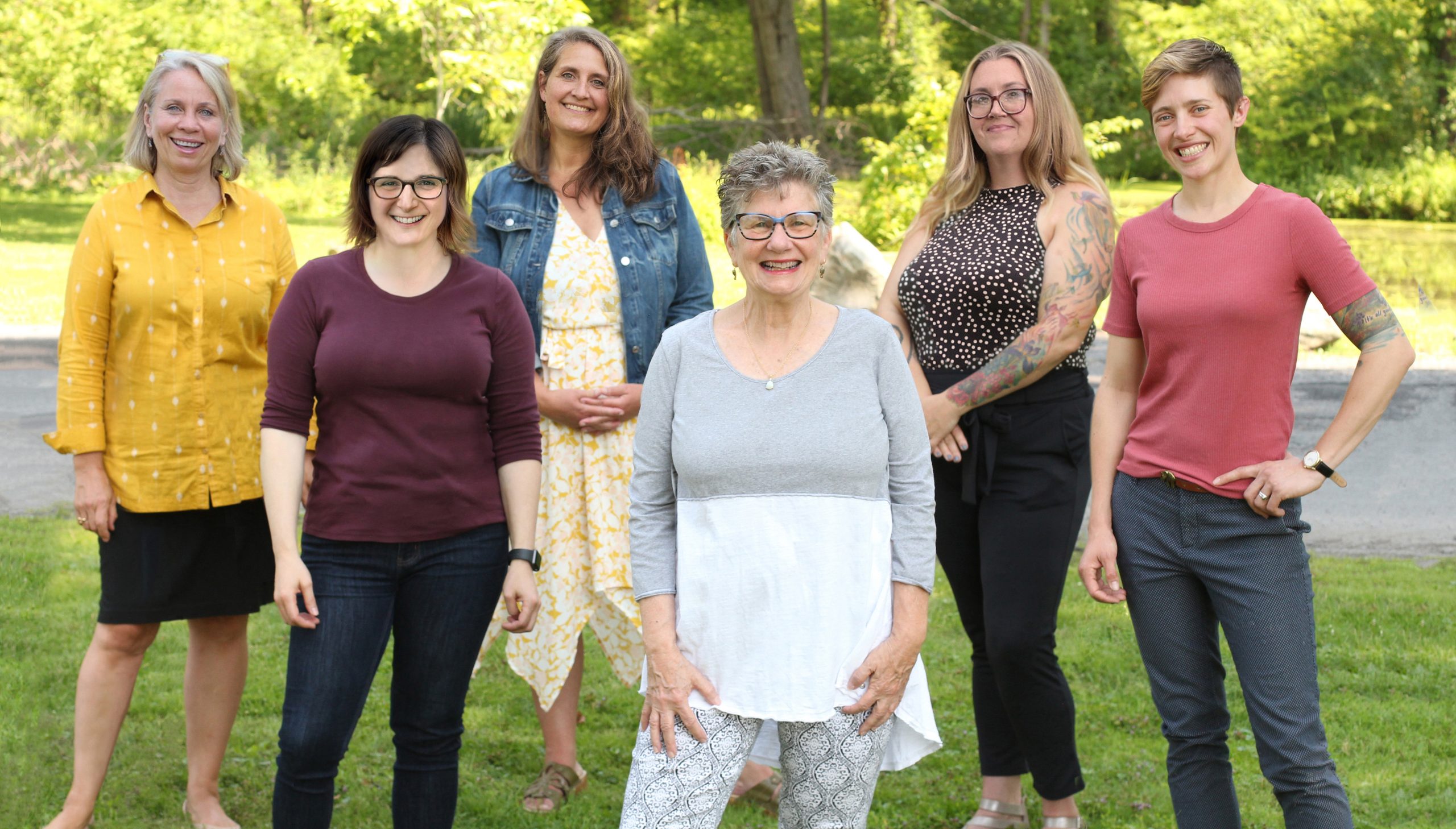
As far as where the real estate market is going, sources varied in their predictions. Lane, for example, said she and others she works with are concerned about and anticipating a crash.
“I’m at least at the age to have known the previous housing bubble back in 2008, 2011, so I think we’re all kind of wondering when we’re going to be on the downhill of this,” she said. “Sometimes it feels like we’re just keeping up and just catching our breath. And so, I think we’re all kind of waiting for that downhill slide and just wonder what that’s going to look like. Is it going to be fast? Or is it going to be slow? And I think it’ll happen as the world continues to change in whatever direction it’s going with the pandemic.”
Others, like Bushberg and Buchan, said they don’t anticipate a crash and foresee these trends lasting for a while, even if demand does ease slightly.
“People ask me all the time, ‘what’s going to crash first — the real estate market or the stock market?’” Bushberg said. “And I don’t see the real estate market crashing. It certainly didn’t in 2009 [in Tompkins County] when it did in many, many places — Las Vegas, California, parts of Texas. We saw just a slight tick downward. But that’s the year that I started with Carol Bushberg Real Estate, and it was a very, very good year. So, I do see the community as being a stable community.”
In the end, only time will tell, but sources are universally hopeful that market conditions will stabilize within the coming months.
Related Articles

The gift of an experienceLocal businesses offer hands-on holiday fun
Holiday experience gifts in Tompkins County include candle making, gourd crafts, and pottery workshops for creative seasonal fun.

Dryden’s dog control officer looks back at first year on the job
Dryden dog control officer Retta Beardslee reflects on her first year improving dog licensing, shelter care, and community outreach in 2025.
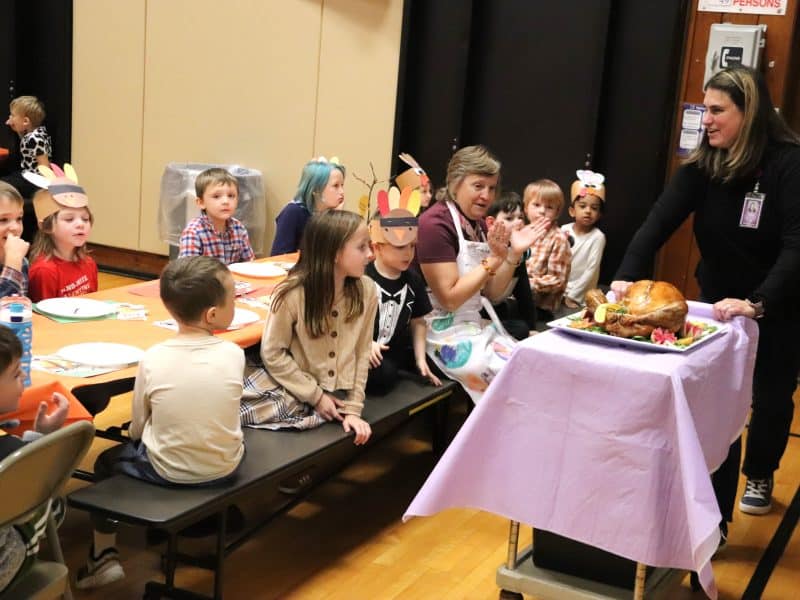
Elementary school celebrates 50th Freeville Feast
Freeville Feast marks 50 years at Freeville Elementary, teaching students teamwork, cooking, and community traditions.